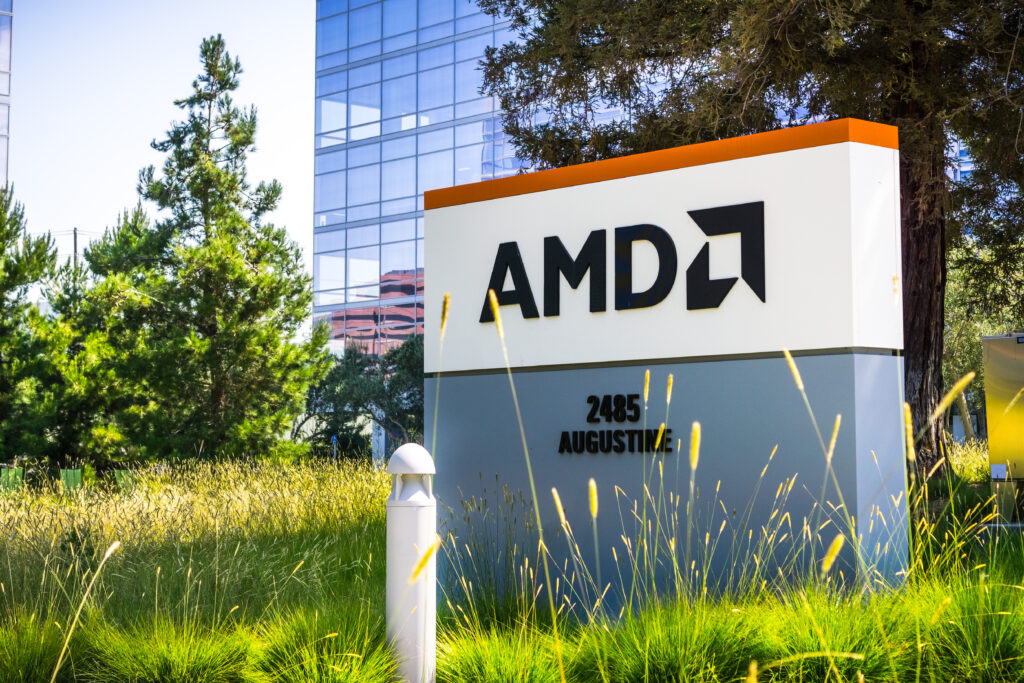


Advanced Micro Devices shares fell 12% on Wednesday after the company gave first-quarter guidance that did not meet Wall Street’s highest hopes. This shows just how high expectations are for AI chip demand.
AMD, based in Santa Clara, reported fourth-quarter revenue of $10.27 billion, beating analyst estimates of $9.67 billion. For the current quarter, AMD expects revenue of $9.8 billion, plus or minus $300 million. This is higher than the average Wall Street forecast of $9.38 billion, but still below the more optimistic targets from some technology analysts who follow the AI chip market.
The market’s muted response shows that chipmakers must carefully manage investor expectations for the growth needed for AI applications. Over the past year, AMD’s shares have more than doubled as demand for data center processors has grown quickly.
Analysts reported two reasons for the cautious investor mood. First, AMD reported unexpected revenue from China this quarter, which was not factored into Wall Street’s earlier models. This made the revenue beat seem less impressive. Second, while the company’s guidance was strong, it did not meet the high expectations set before the report.
Even with the drop in share price, analysts say demand for AMD’s data center products is still strong. The company has hinted at possible large supply deals, suggesting that spending on AI infrastructure will continue.
AMD has already locked in major long-term deals in the industry. In October, it signed an agreement with a leading AI research firm to deploy 6 gigawatts of its Instinct GPUs over several years. The first 1-gigawatt phase is set for the second half of 2026. The partner could also buy up to a 10% stake in AMD as part of the deal.
The lower-than-expected guidance shows that, also in fast-growing tech markets, it can be hard to meet high expectations. Investors are still looking for proof that AI demand will lead to stable revenue growth for chipmakers.