
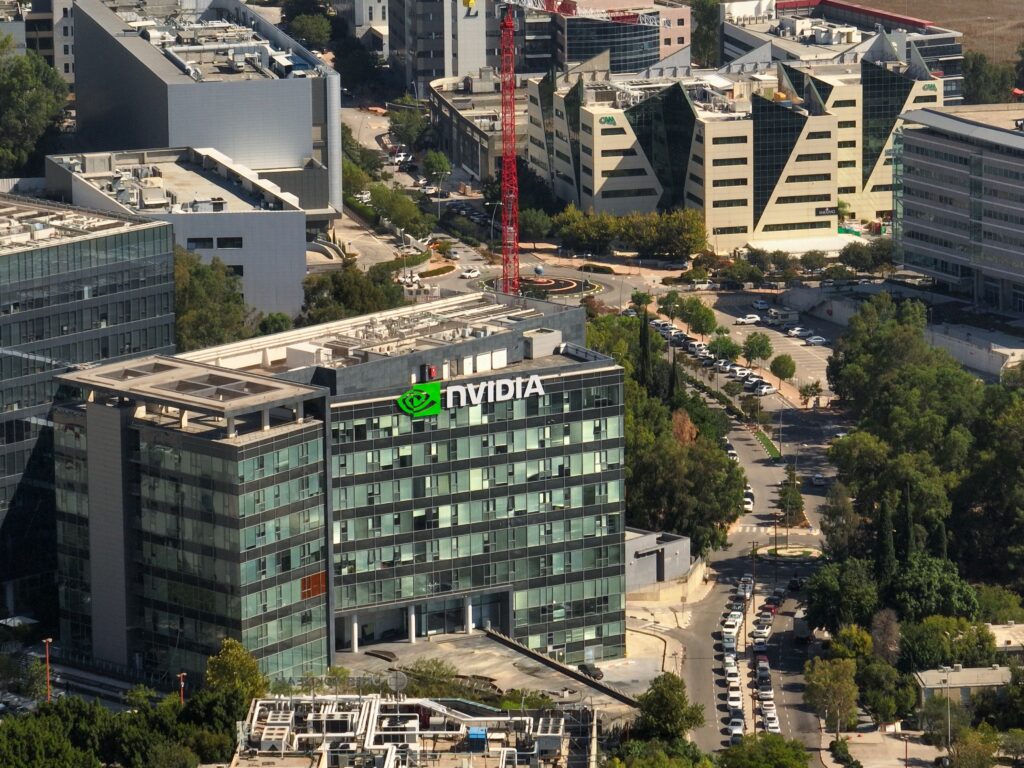


NVIDIA shares fell about 1% in early Tuesday trading, continuing a flat or slightly negative trend for the year so far. Even with this short-term weakness, the company’s core investment case is still strong, thanks to growing demand for AI infrastructure and major efficiency improvements in its newest chips.
Investors are closely watching Nvidia’s quarterly results, set for February 25, which many hope will shift sentiment on the stock. Christopher Rolland from Susquehanna remains positive, pointing to steady progress with the Blackwell AI hardware platform and increased spending by major cloud providers. His price target suggests the stock could rise from here, with future revenue from Blackwell and the upcoming Rubin generation as key factors in his outlook.
A major topic for Nvidia’s outlook is the shift of AI workloads from training models to inference, which is the process of generating results from those models. As more AI agents are deployed, this shift is expected to speed up, making inference efficiency even more important. According to SemiAnalysis, Nvidia’s Blackwell systems offer about 50 times more throughput per megawatt than the previous Hopper generation. The biggest cost savings come at low-latency settings, where most agent workloads run, with per-token costs dropping up to 35 times compared to Hopper. Nvidia also says its next Vera Rubin platform should improve efficiency even further, by another order of magnitude over Blackwell.
The broader semiconductor sector retreated in sympathy, with shares of Advanced Micro Devices. The wider semiconductor sector also fell, with shares of Advanced Micro Devices and Broadcom both down in premarket trading.