
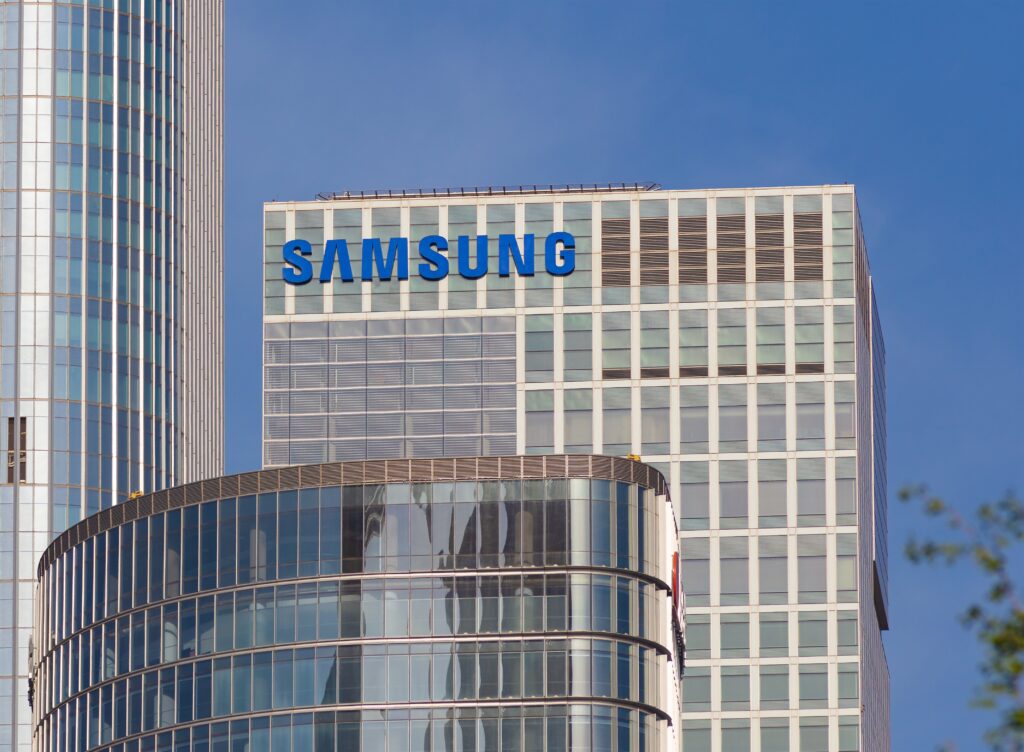


Samsung Electronics said its first-quarter operating profit jumped more than eight times, with earnings expected to reach about $37.91 billion. This growth comes from strong demand for high-bandwidth memory chips, which has pushed prices and profit margins higher throughout the global semiconductor industry. The company also reported a 68% increase in revenue for the quarter.
These results have direct effects on Micron Technology, Samsung’s main U.S.-listed competitor in high-bandwidth memory. Demand for memory chips is expected to be higher than supply until at least the middle of next year, when more manufacturing capacity should become available. This situation helps Samsung, SK Hynix, and Micron maintain strong pricing and profit margins.
The main driver behind this trend is the growth of artificial intelligence infrastructure. High-bandwidth memory chips are essential for the newest AI accelerators, and all three major memory makers are working to get their next-generation HBM4 chips approved for Nvidia’s upcoming Rubin platform. In February, Samsung said it was the first to mass-produce HBM4 chips. Micron’s CEO has said the company plans to increase its own HBM4 production in the second quarter of 2026. Analysts believe all three companies will eventually qualify, since no single manufacturer can meet all of Rubin’s demand on its own.
Micron shares dropped 0.7% in premarket trading, even though the outlook for the sector is positive. The stock has risen more than five times over the past year, which suggests the market had already expected strong demand for HBM chips. After Samsung’s results, European semiconductor stocks went up, and the wider chip sector also saw early gains.
For traders watching the AI hardware supply chain, Samsung’s strong quarter is clear evidence that the memory chip investment story is still solid. It supports the idea that the HBM supercycle will continue into the second half of 2026.