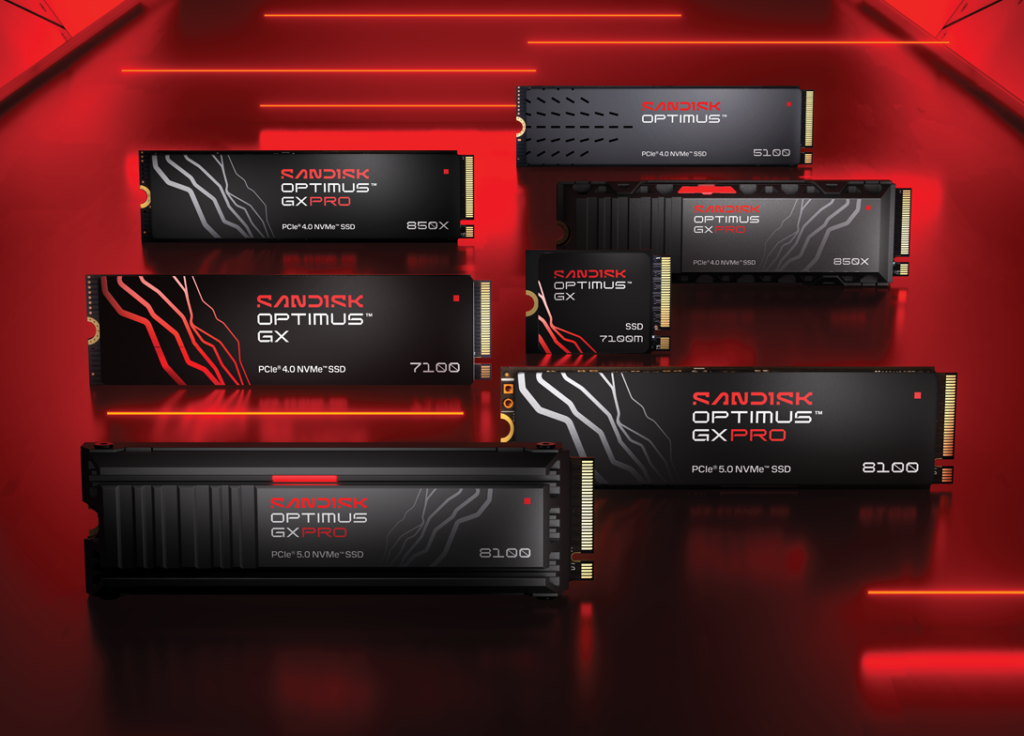


Sandisk shares surged 22% on Tuesday to $333.28, marking the stock’s biggest one-day gain since February 2025, as investors piled into the flash-memory maker amid growing optimism around pricing power across the semiconductor memory industry.
The rally came without a clear company-specific catalyst. Still, Sandisk has been one of the market’s standout performers since it began trading last February following its spinoff from Western Digital. The stock has climbed more than 800% since the separation and has been added to the S&P 500, benefiting from a boom in artificial-intelligence spending that has driven demand for solid-state drives and other data-storage hardware.
Tuesday’s advance made Sandisk the top-performing stock in the S&P 500, according to Dow Jones Market Data.
Investors appear to be looking ahead to earnings reports from major Asian memory suppliers, including Samsung Electronics and SK Hynix, which are seen as bellwethers for industry pricing trends. Korea Economic Daily reported Monday that both companies are seeking to raise prices for dynamic random-access memory, or DRAM, in the current quarter—an indication that tight supply and robust demand may be restoring pricing power to memory manufacturers.
While Sandisk does not produce DRAM, stronger pricing across the memory market could bolster sentiment toward flash-memory suppliers as well. Samsung shares rose 7.5% on Monday and added another 0.6% Tuesday, while SK Hynix climbed 2.8% and gained an additional 4.3%.
Samsung is scheduled to report preliminary fourth-quarter results on Thursday, with revenue and profit expected to surge partly on the back of memory demand. Analysts surveyed by FactSet forecast a 25.5% increase in DRAM prices from the third quarter and a 14.9% rise in flash-memory prices. SK Hynix is due to report earnings on Jan. 22.
Elsewhere in the sector, Taiwan-based Nanya Technology reported a sharp rebound in December sales, with revenue jumping 445% from a year earlier. Its shares rose 9.9% on Tuesday, adding to evidence that the memory market is entering a new upcycle.