
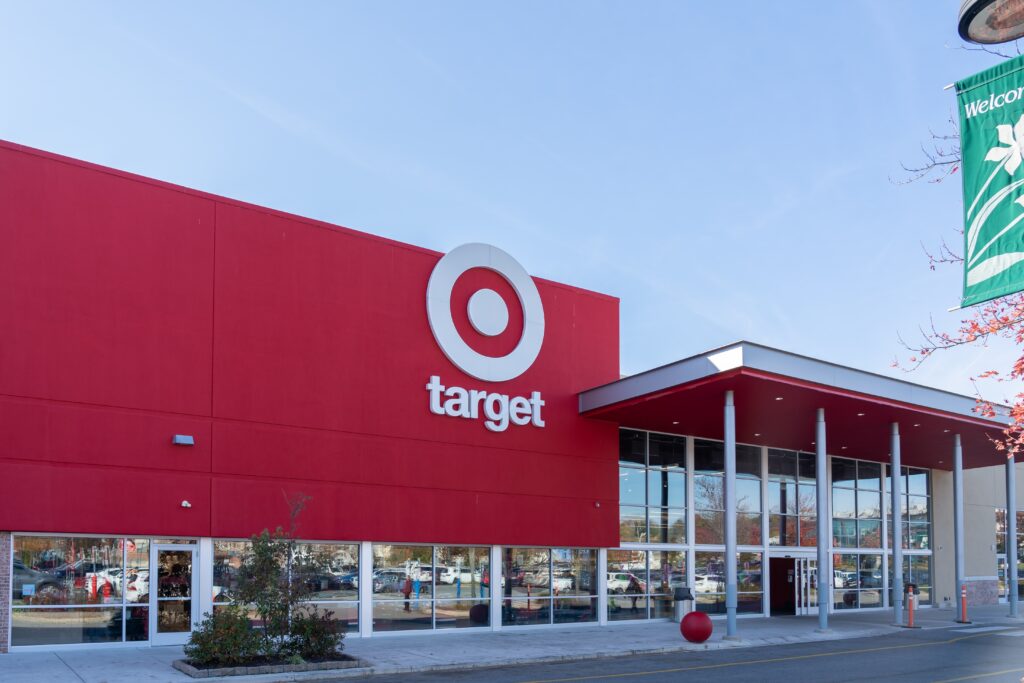


Tuesday started off rough, with S&P 500 futures dropping over 1.5% and the Dow Jones losing 800 points. Investors played it safe, moving into gold as inflows looked set to beat last year’s record. In the middle of this, Target stood out as a steady performer after its fourth-quarter results beat modest expectations. While the bar was low, it was enough to count as a win, especially as market sentiment worsened due to rising U.S.-Iran tensions.
For the quarter ending January 31, Target reported net sales of $30.5 billion, down 1.5% from last year. Comparable sales also fell by 2.5%.
While the main numbers were not impressive, there were some positive details. Store traffic dropped about 3%, but shoppers who did come in spent a bit more each visit. Sales grew in food and beverage, beauty, and toys, and trends improved in essentials and home goods, helping balance out other weak spots. Same-day delivery grew by over 30%, and membership revenue more than doubled, showing the strength of Target’s digital and convenience-focused services.
Adjusted earnings per share were $2.44, up slightly from $2.41 last year and within the company’s cautious forecast. For the full year, adjusted earnings were $7.57, down from $8.86 in 2024. This drop was due to markdowns, order cancellation fees, and pressure from lower-profit categories.
The most notable update came from new CEO Michael Fiddelke, who has been in the job for two months. He mentioned that sales started to improve in February, marking the first sign of stability after a year of falling comparable-store sales.
Target’s management expects net sales to grow about 2% in 2026, with earnings close to 2025 levels and possibly a bit higher than last year. The stock rose about 4% in premarket trading.