
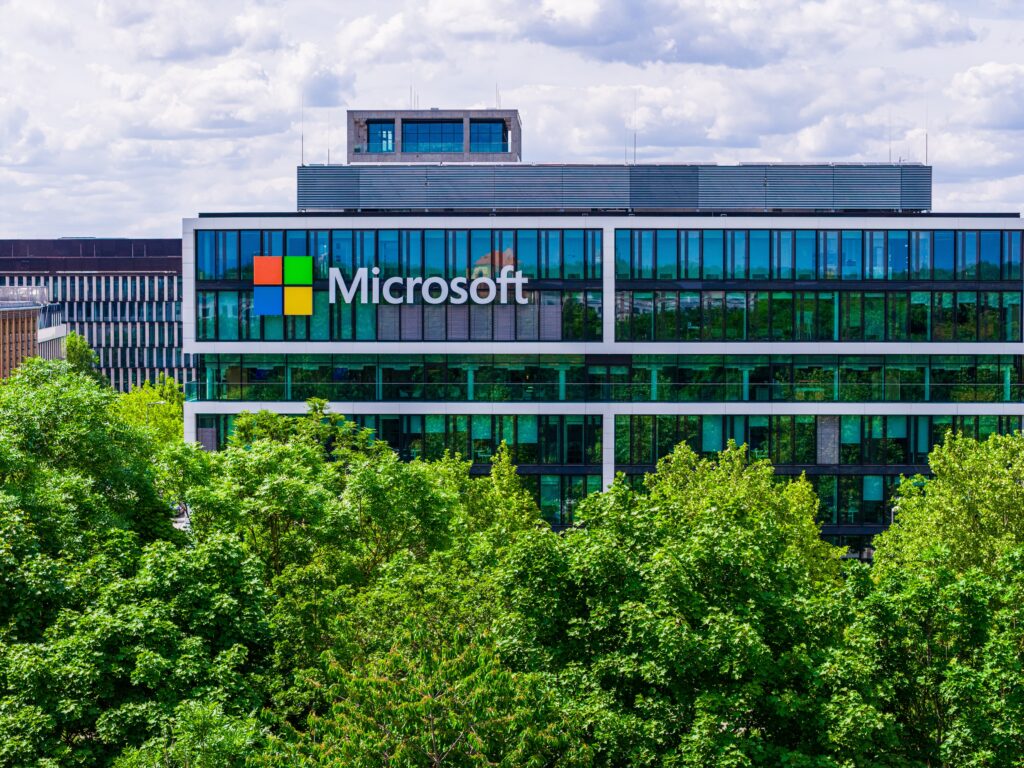


On Monday, Microsoft shares dropped 1.6% after the company and OpenAI ended their exclusive commercial partnership. This change means OpenAI can now work with Microsoft’s competitors.
Under the new agreement, Microsoft will continue to license OpenAI’s models and products through 2032, but will not have exclusive rights. OpenAI can now make cloud and licensing deals with other companies. This increased flexibility might strengthen OpenAI’s ability to forge new partnerships and diversify its client base, reducing reliance on Microsoft. Meanwhile, Microsoft remains the main cloud provider, which may help protect its influence in the AI sector despite losing exclusivity. As OpenAI approaches a potential IPO, this change could affect competitive dynamics and market positioning for both companies.
The companies also changed their financial terms. Microsoft will stop paying a revenue share to OpenAI, and payments from OpenAI to Microsoft will end after 2030, up to a set limit.
Both companies said the new deal benefits them both. They believe more flexibility and clearer financial terms will help them build and run AI platforms on a large scale. The revised structure allows each to pursue growth in ways previously constrained and opens new opportunities for revenue. This new arrangement also enables both companies to adapt their strategies as they expand their AI product offerings in a changing market.
Microsoft has been a major investor in OpenAI, providing funding and cloud resources. The end of exclusivity highlights the maturation of their partnership as OpenAI moves toward an independent public company.